

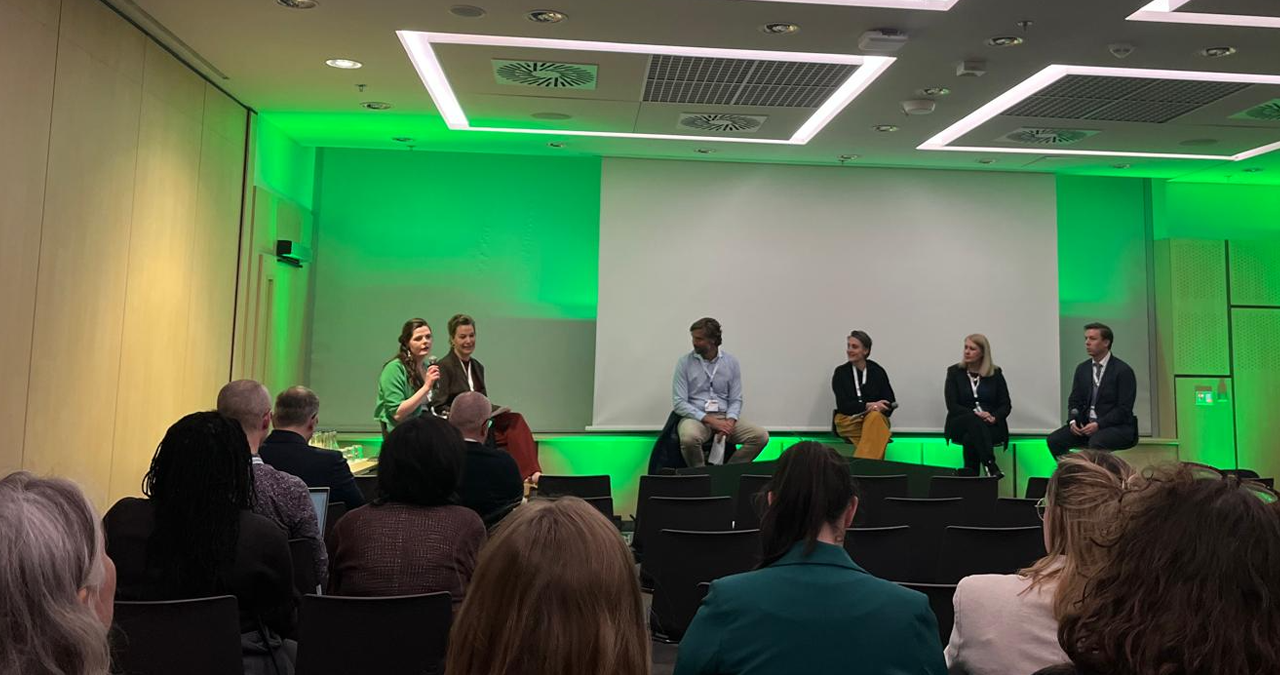
Set in the beautiful and historic city of Prague, the 2026 EAPC World Congress offered EU NAVIGATE an exceptional opportunity to connect with international colleagues, build new partnerships, and contribute to strengthening the global palliative care community.
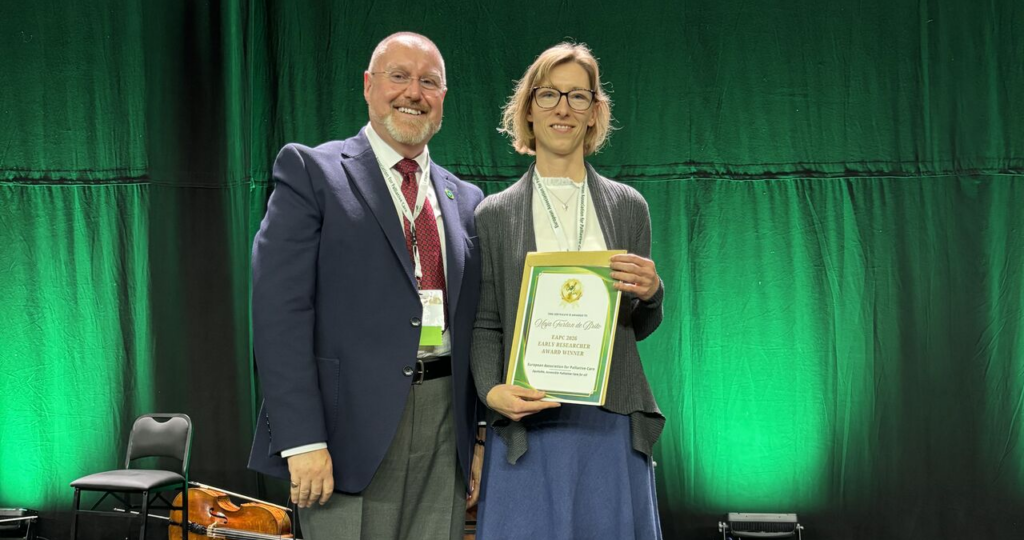
Before sharing the highlights of our participation, we would like to warmly congratulate Dr. Maja Furlan de Brito (University of Coimbra, Portugal) on receiving the prestigious EAPC Early Researcher Award this year. Congratulations, Maja—we are incredibly proud of your outstanding work and your inspiring dedication, especially in light of your personal experiences with death and bereavement.
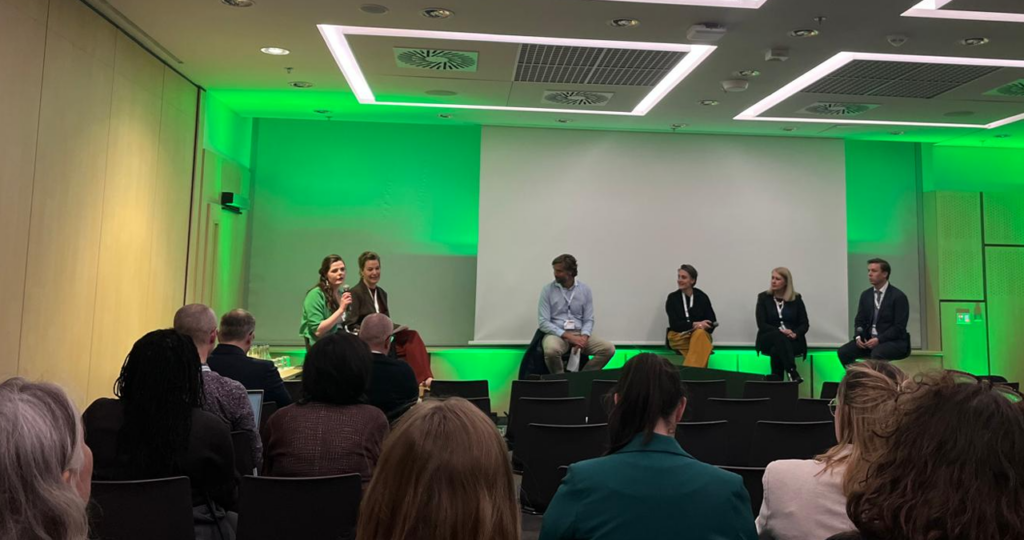
Addressing implementation challenges in international implementation of complex interventions in palliative care
Building on the experiences and learnings from EU NAVIGATE and other projects, our coordinator Lieve Van den Block contributed to a panel discussion on “Issues with implementation.”
The panel explored key challenges, including:
- Regulatory variation across countries
- Workforce capacity
- Cultural differences
- Integration into routine care
- Sustainability beyond project funding
- Uneven adoption across healthcare systems
The session also highlighted practical strategies from implementation science to improve scalability, long-term impact, and real-world uptake. Lieve emphasised the importance of tailoring and adapting complex interventions to different national contexts, healthcare systems, and cultural settings.
A strong contribution to rehabilitation in palliative care
EU NAVIGATE contributed to an inspiring themed session on rehabilitation in palliative care titled: “How do we enable people to live fully until they die?”
The session featured contributions from Rebecca Tiberini (Chair, EAPC Rehabilitation in Palliative Care Taskforce), Matthew Maddocks (Scientific Coordinator, INSPIRE), and Rose Miranda (Scientific Coordinator, EU NAVIGATE).
Discussions highlighted the urgency and importance of integrating rehabilitation with palliative care and geriatrics. The session clearly demonstrated the benefits of such integration and provided a practical example of how it can be implemented for older people living with frailty and their family caregivers.
Importantly, the session called for a radical shift in how healthcare professionals, organisations, and systems work—moving towards more integrative and interdisciplinary models of care. The session was exceptionally well received, with several participants describing it as the best themed session they had attended at an EAPC congress.
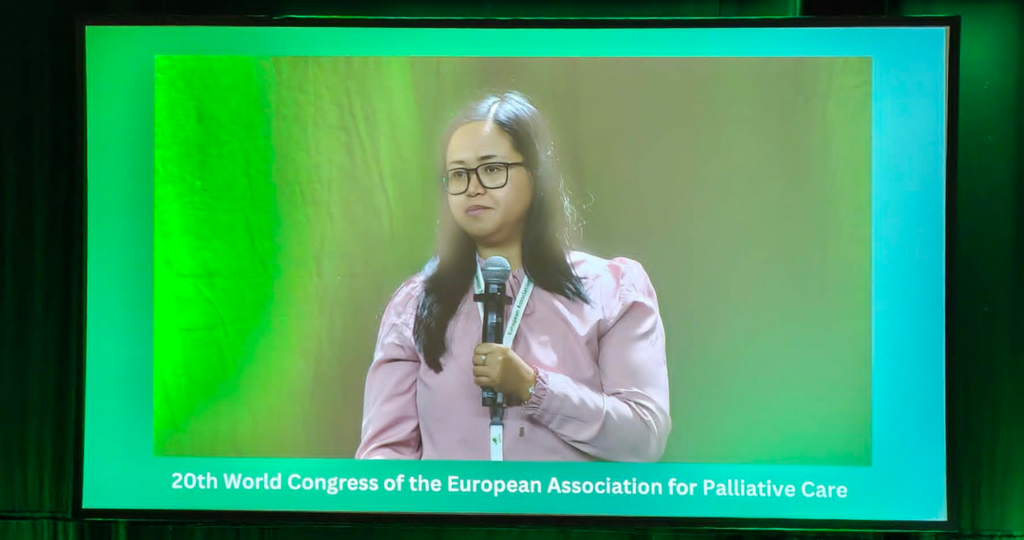
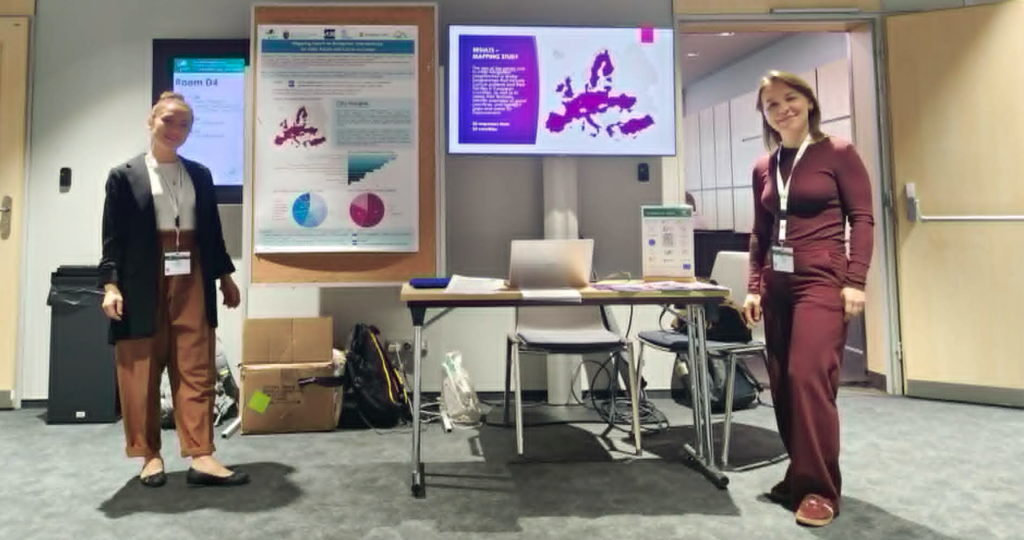
Showcasing research and innovation
Agata Stodolska and Natalia Drapala – our partner, Jagiellonian UniversityMedical College(Poland), launched our mapping report on patient navigation for people with cancer in Europe, which further contributes to strengthening the knowledge base in this field.
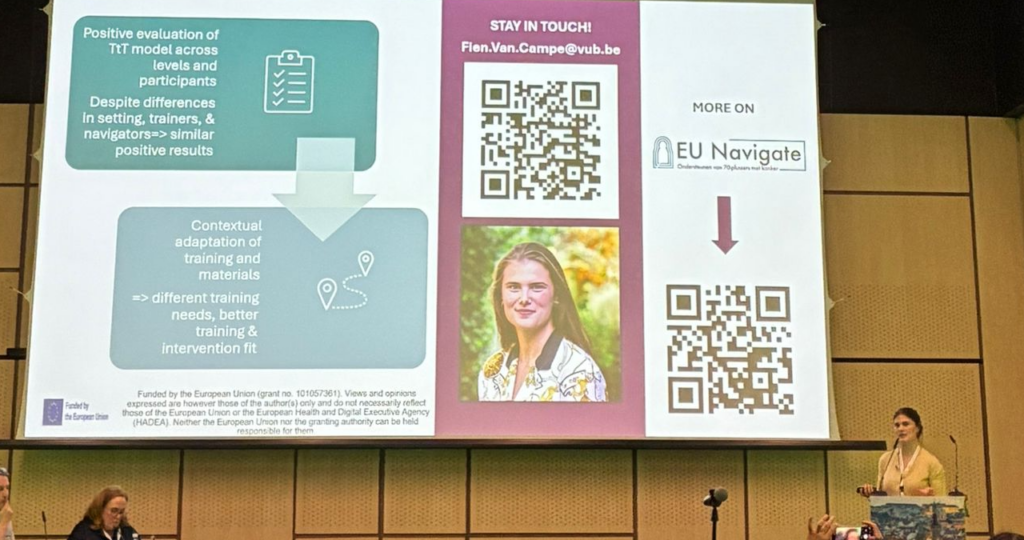
Fien Van Campe (VUB/UGent, Belgium), one of our PhD researchers, presented the evaluation of the Train-the-Trainer programme, used to implement our NavCare-EU navigation programme for older people with cancer across six European countries.
Her findings showed that the Train-the-Trainer programme was positively evaluated overall and, after minor improvements, represents an effective implementation strategy for navigation in palliative and cancer care. She also highlighted the importance of contextual adaptation to ensure successful transferability across diverse healthcare systems.
PhD research highlights
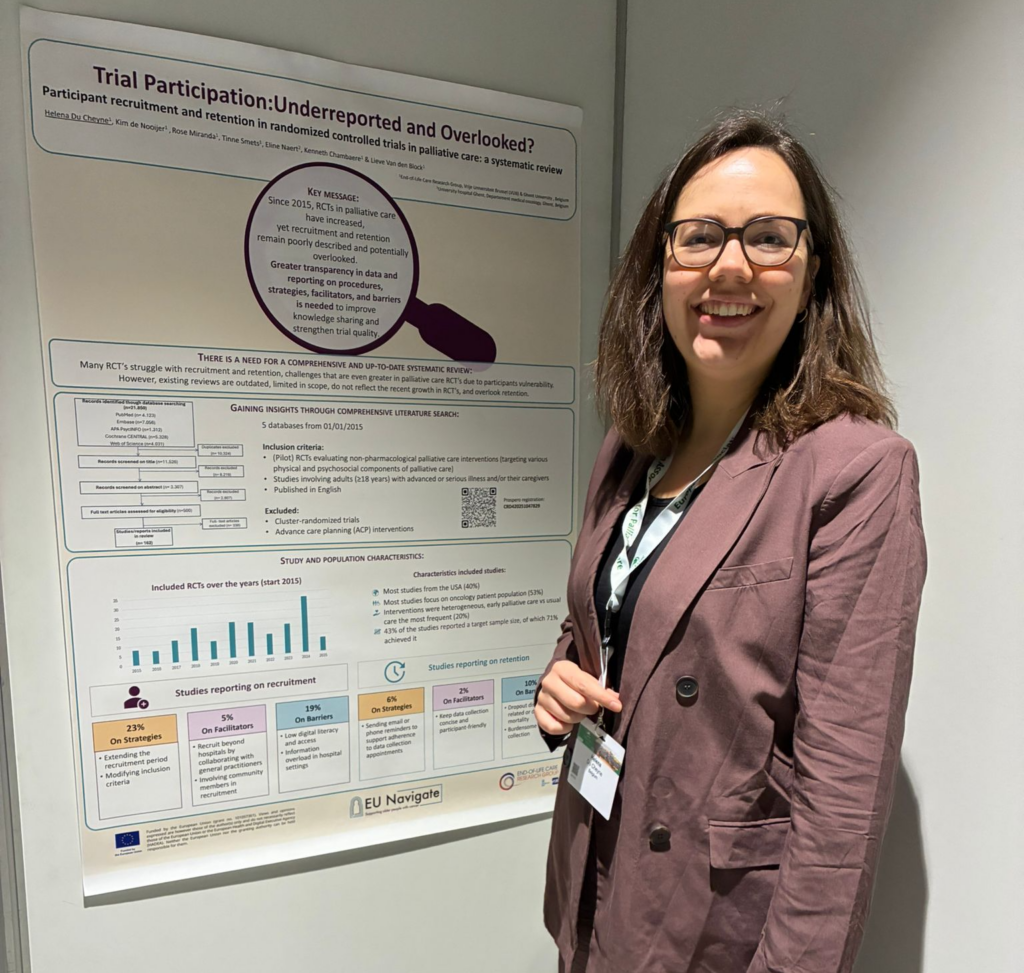
Four PhD researchers from the EU NAVIGATE network presented posters:
- Helena Ducheyne (VUB/UGent, Belgium) presented a systematic review on recruitment and retention in palliative care RCTs. Her work highlights the challenges in this area and provides valuable insights into strategies for improving trial design and participation.
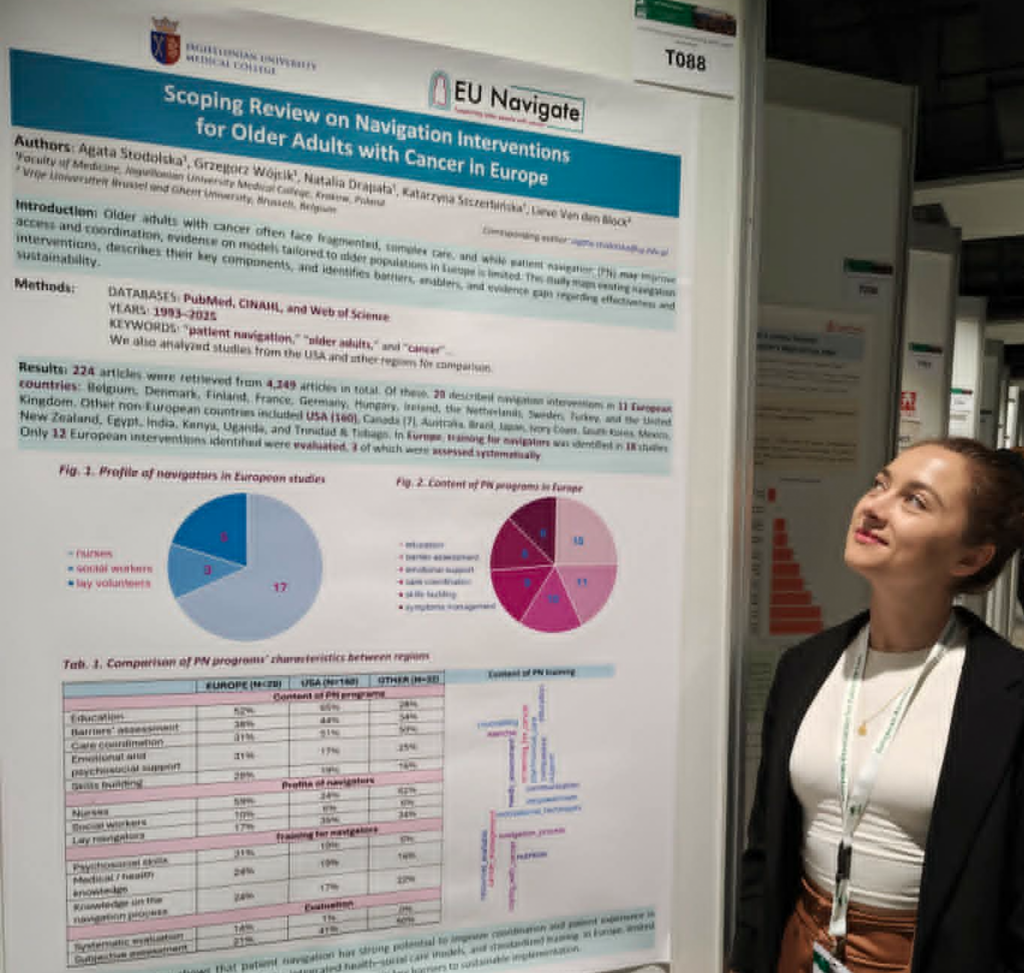
- Agata Stodolska (Jagiellonian University Medical College, Poland) presented a scoping review on navigation interventions for older adults with cancer in Europe. Her findings underline the potential of navigation models while pointing to the need for stronger and more standardised evaluation.
- Natalia Drapała (Jagiellonian University Medical College, Poland) explored informal care for older adults, focusing on caregiver stress and the availability of support services. Her work identifies key risk factors and emphasises the need for targeted support strategies.
- Iris Beijer Veenman (Amsterdam UMC, the Netherlands) examined how navigators apply their competencies when supporting older people with cancer living at home. She identified five key competencies applied to varying degrees:
- Identifying needs for support or advocacy
- Discussing quality of life
- Actively engaging in care and support
- Connecting with local services
- Supporting the use of technology
Stay connected
Would you like to learn more about these studies or collaborate with us?
We warmly invite you to stay in touch by subscribing to our newsletter, following our website www.eunavigate.com and LinkedIn page or contacting us at: chiara.verschaeren@vub.be.



Comments are closed