

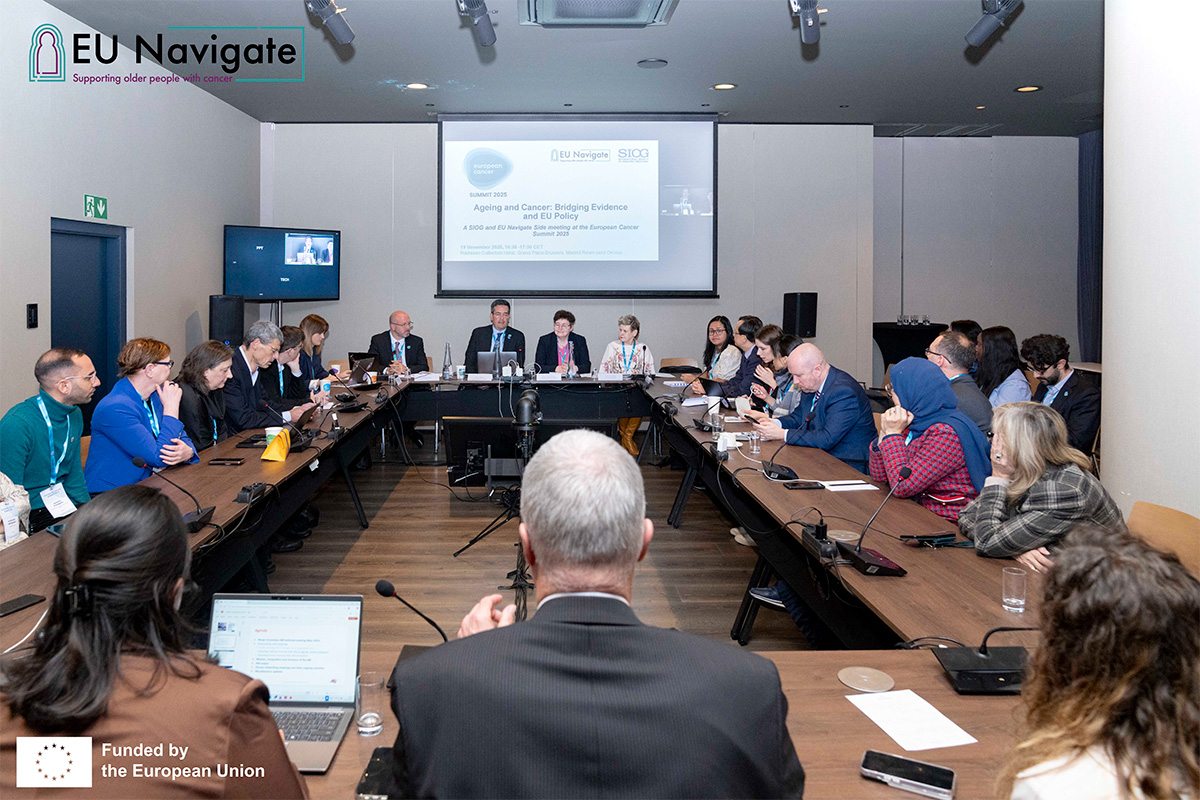
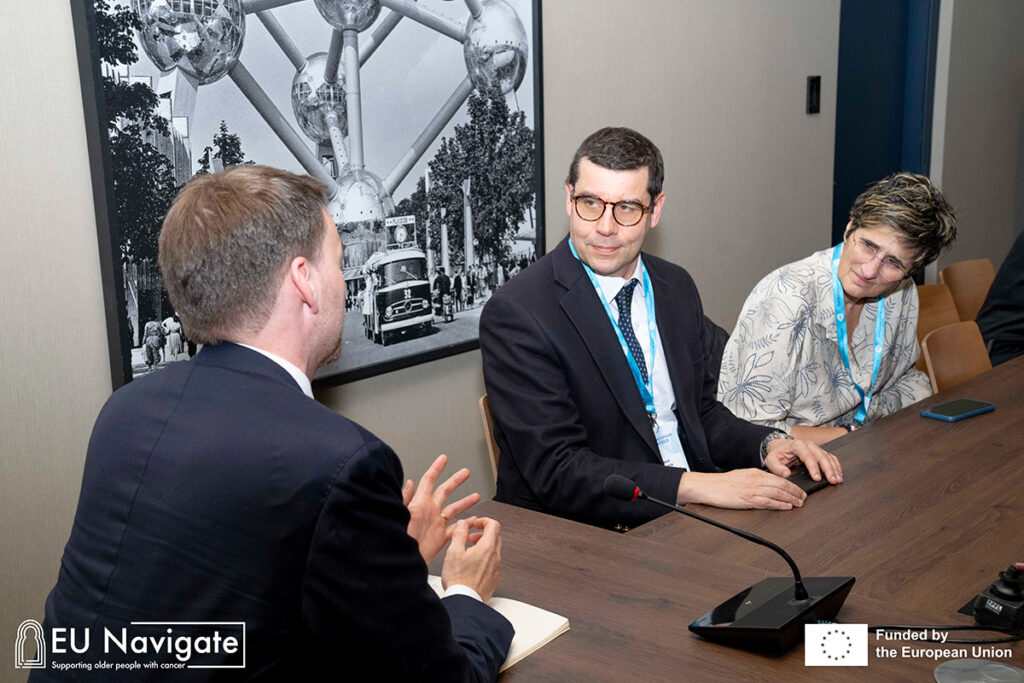
On 19 November, during the European Cancer Summit, the EU Navigate project and the International Society of Geriatric Oncology (SIOG) brought together clinicians, researchers, policymakers, patient advocates and project partners for a focused discussion on the needs of older people with cancer. The session was chaired by Nicolò Battisti and Martine Extermann, who opened with a clear message: ageing is a success of modern medicine, and Europe must adapt its cancer care systems to support the growing number of older patients.
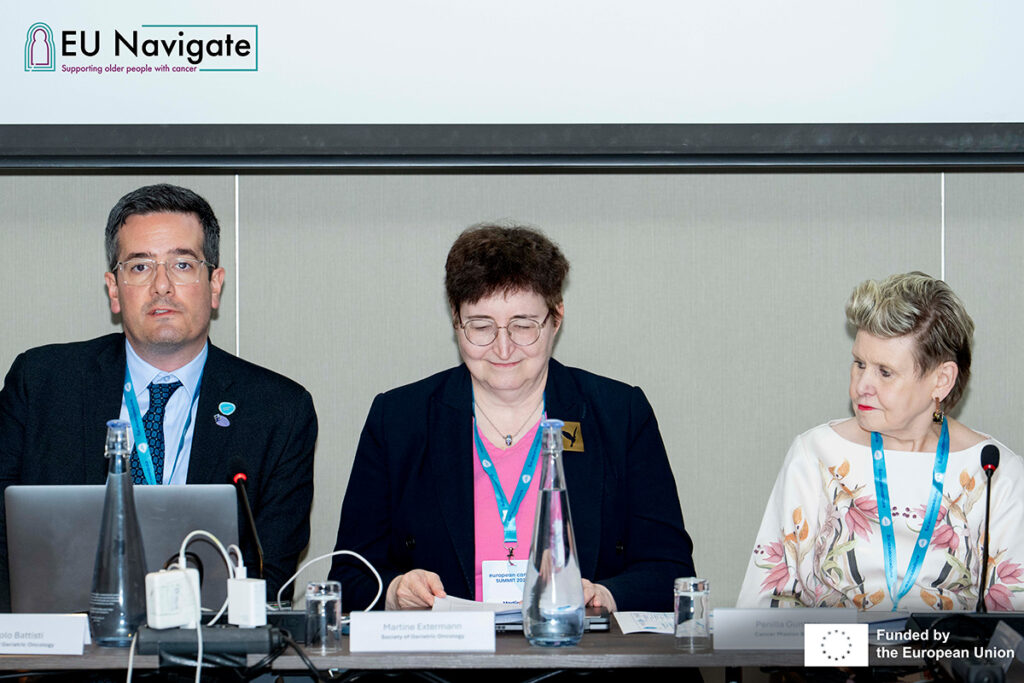
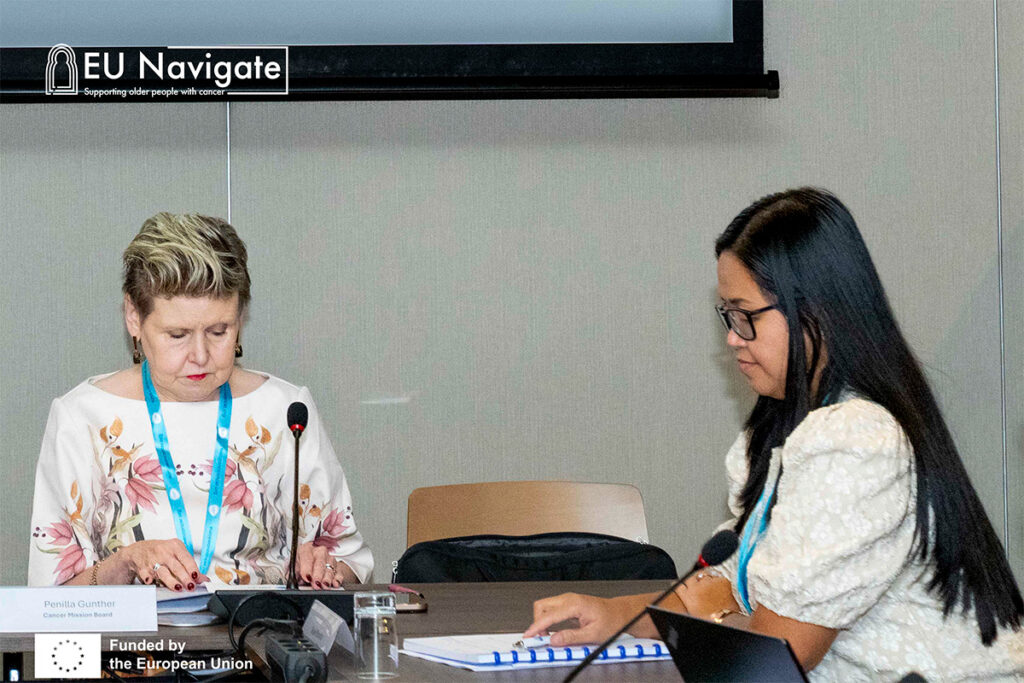
Speakers explored how ageing affects cancer risk, treatment tolerance and care needs, and why geriatric expertise must become a standard part of oncology. Voices from the SIOG Policy Committee and the Cancer Mission Board stressed that older adults deserve the same level of specialised care that children receive in pediatric oncology, and highlighted gaps in screening practices, comorbidity management and caregiver support.
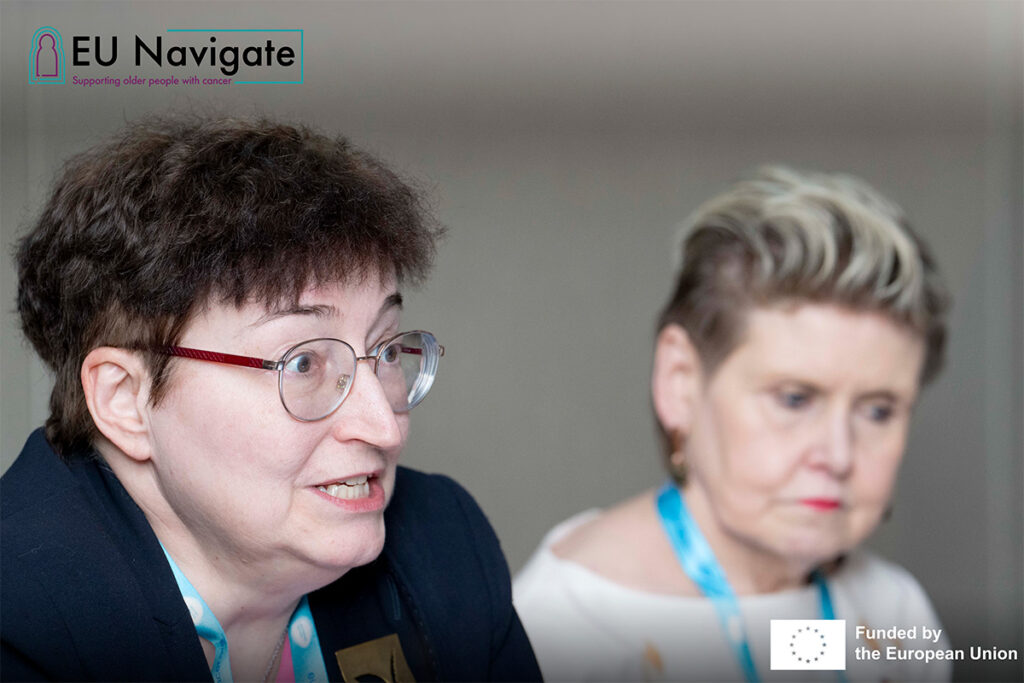
EU Navigate’s senior researcher, Rose Miranda, highlighted insights from the project’s mapping study, which found that navigation services exist across Europe under many different names and forms. She also explained how EU Navigate is adapting a person- and family-centred model to improve continuity of care, psychosocial support and access to services for older people with cancer in six countries. Early signs from project partners show strong interest in sustaining the model beyond the project. The European Cancer Organisation’s policy team noted that with upcoming EU strategies on inequality and intergenerational fairness, now is a crucial moment to ensure ageing and cancer receive meaningful political attention. Collaboration between clinical societies, researchers, policymakers and initiatives like EU Navigate will be essential to improving care for Europe’s older population.


Comments are closed