


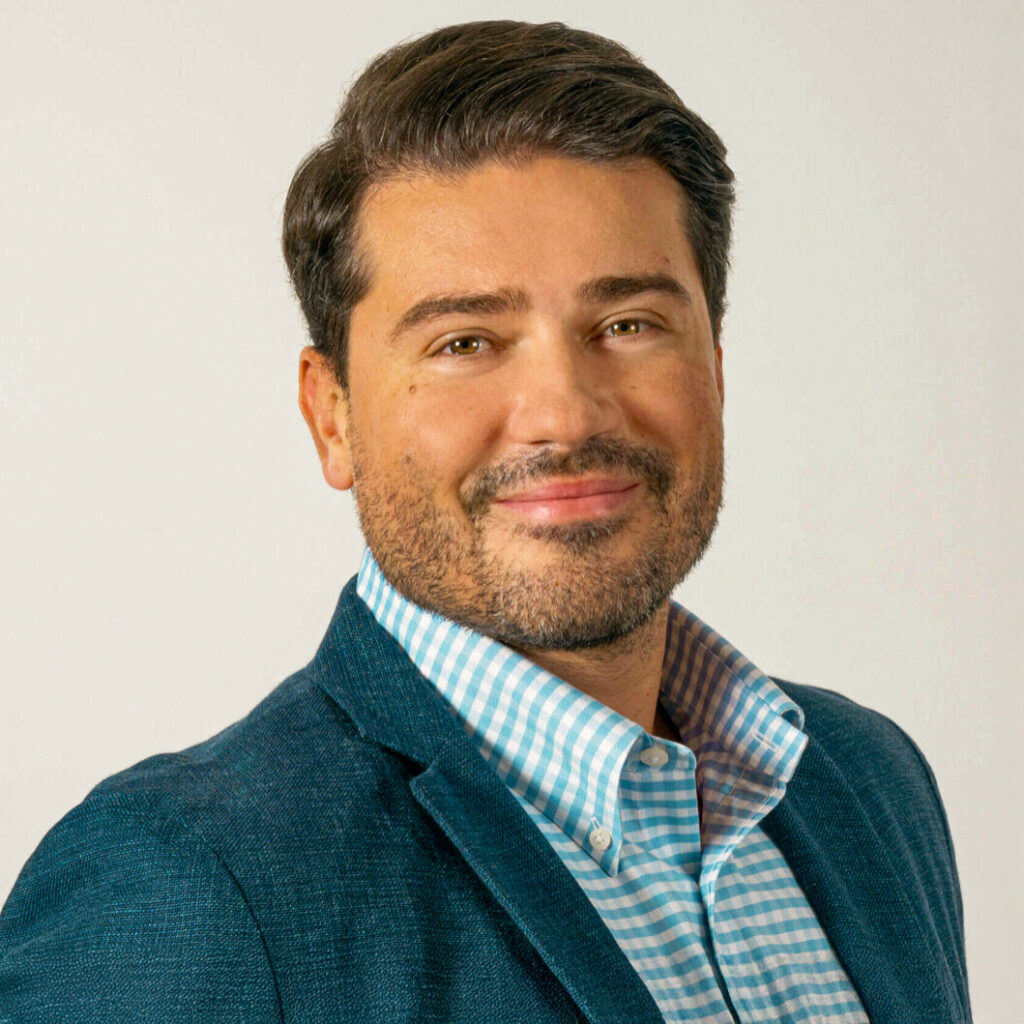
I am Davide Ferraris, a clinical and health psychologist specialising in psycho-oncology and palliative care. At LILT Milano Monza Brianza, I work as the coordinator of psycho-oncology within the healthcare sector and at the same time coordinate the Italian implementation of the navigation intervention for EU Navigate. My role includes the adaptation the navigation intervention to the Italian healthcare context. I also work closely with our volunteer “Virgilio” navigators, named after Dante’s guide, because for many people, cancer care can feel like a descent into an underworld where someone who knows the way becomes essential.
EU Navigate responds to a reality seen daily across European health systems: older adults with cancer often live with multiple chronic conditions and must navigate fragmented, highly specialised services. Appointments, treatments and information are rarely coordinated, and the complexity can be staggering. For many patients, especially those with limited education, fewer resources or weaker family support, getting lost in the system becomes the norm rather than the exception. Patient navigation has the potential to reduce this burden by providing continuity, clarity and practical guidance.
From my perspective, the impact of navigation is already visible in Italy. One example is Maria, a 73-year-old woman living with breast cancer, diabetes and heart failure. When she entered the study, she was overwhelmed by appointments, medications and conflicting instructions. With the support of her navigator, she organised her care into a clear schedule, prepared questions for medical visits and felt more confident engaging with healthcare professionals. Within a few months, her distress levels decreased and she reported no longer feeling alone, even though her illness had not changed.
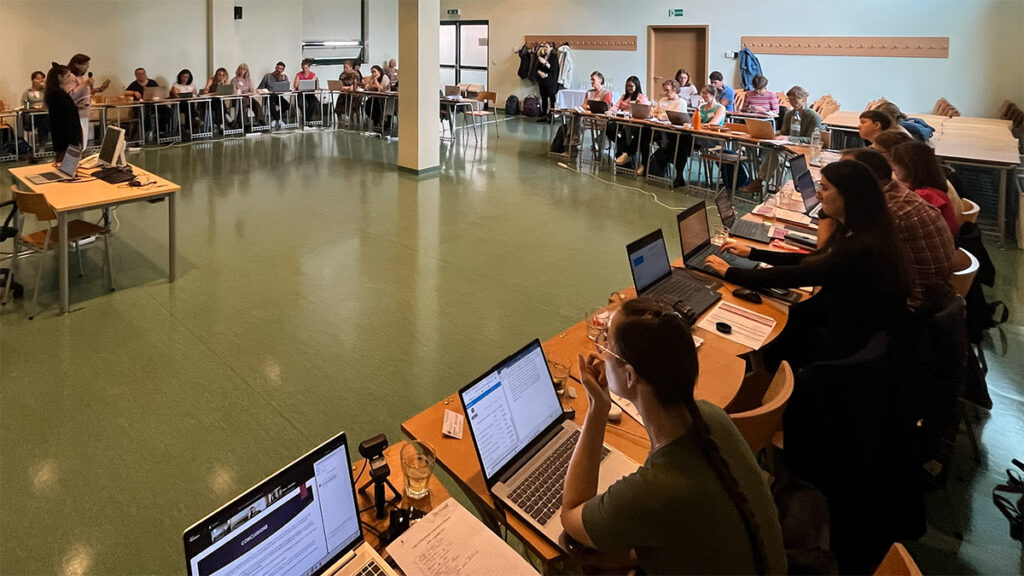
The Italian implementation relies on a volunteer-based navigation model supported by experienced volunteer coordinators with clinical backgrounds. The Virgilio volunteers are trained through a long-standing tradition of education and supervision provided by the School of Volunteering in Oncology, established in the late 1980s at LILT Milano Monza Brianza in partnership with the Fondazione IRCCS Istituto Nazionale dei Tumori di Milano. This structure makes navigation feasible and sustainable without adding pressure to already stretched healthcare professionals. It also builds on strong traditions of community volunteering, while ensuring quality through structured training, supervision and close collaboration with research partners.
Across the project, regular exchanges between participating countries allow teams to share experiences, challenges and solutions. These ongoing discussions help refine the navigation intervention, identify common principles and adapt implementation to different healthcare systems and cultural contexts. This collective learning seemed to strengthen both the evidence base and the practical relevance of the intervention.
Taken together, these experiences highlight the potential of patient navigation to improve care for older adults with cancer. By potentially reducing unnecessary distress and helping people find their way through complex systems, navigation may contribute to more coordinated and equitable healthcare, especially for those who have less access to it.



No responses yet